
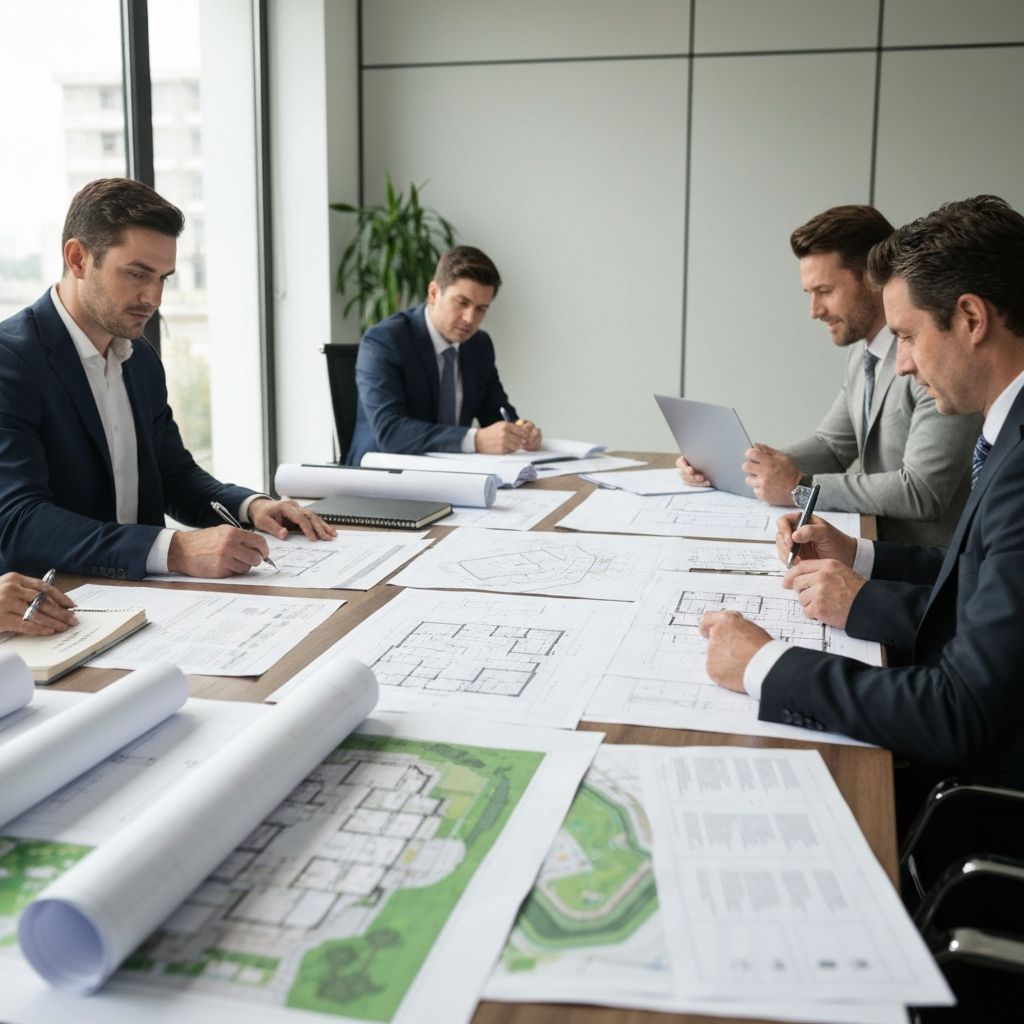
Most construction problems are communication problems. And most communication problems are visible long before construction starts — in the meeting (or lack of meeting) between designer and builder.
The pre-construction meeting between a project's designer and builder is one of the highest-leverage moments in any residential project. Done well, it catches coordination problems before they become construction problems. Done poorly — or skipped entirely — it sets up the conflict and confusion that will slow the project down for months.
Most homeowners don't know this meeting should happen. Many assume that once they've hired both a designer and a builder, those two parties will coordinate themselves. They often don't — not because anyone is negligent, but because there's no structured process to make it happen.
“The pre-construction meeting between designer and builder is one of the highest-leverage moments in any residential project. Most homeowners don't know it should happen.”
Why this meeting matters
Architects and designers produce drawings. Builders build what's on those drawings. In theory. In practice, every set of construction documents contains ambiguities, under-specified areas, and decisions that weren't made during the design phase. The question is whether those gaps get identified before construction starts or during construction, when resolving them costs money and time.
A well-run pre-construction meeting between the designer and builder walks through the plans systematically, identifies every open question, and creates a resolution process for each one before the first nail is driven.
What should be on the agenda
Document review
Walk through the full construction document set together. The builder identifies items that are unclear, missing, or that they expect will need field clarification. The designer explains design intent for complex or unusual details.
Scope of services clarification
Who is responsible for what during construction? Will the designer visit the site? How often? Who approves submittals and shop drawings? What is the process for RFIs (requests for information)? These questions need answers before construction starts.
Substitution protocol
Specified materials are sometimes unavailable, out of budget, or have long lead times. What is the process for requesting substitutions? Who approves them? What level of equivalency is required? Establishing this protocol before construction prevents it from becoming a source of conflict.
Change order process
Changes during construction are expensive. But they happen. Agreeing on the process for initiating, pricing, and approving changes before any are needed removes a source of friction when they arise.
Long-lead items
What materials, fixtures, or equipment have long lead times? These need to be ordered early, often before construction starts. Identifying them at the pre-construction meeting allows orders to be placed before they're on the critical path.
Open design decisions
What hasn't been decided yet? What decisions need to be made before certain phases of construction? Creating a decision log with deadlines for each item prevents decisions from being missed until they're holding up the project.
What the homeowner's role is
Homeowners should attend this meeting. Not to run it — the designer should facilitate — but to observe, ask questions, and understand what has and hasn't been resolved. This meeting is one of the clearest indicators of how well the project will run. If the designer and builder struggle to communicate clearly in this setting, that struggle will continue throughout construction.
The homeowner's job in this meeting: listen, take notes, ask clarifying questions about anything that seems unclear, and be alert for unresolved issues that both parties seem to be glossing over.
Signs the meeting isn't going well
- Designer and builder have clearly not reviewed the documents together before the meeting
- Either party is dismissive of the other's questions or concerns
- Open items are being deferred without a specific resolution process
- The builder is expressing significant concerns about buildability that weren't addressed in the design phase
- The designer is unable to explain the design intent for complex details
- The meeting ends without a documented list of open items and owners
What comes out of the meeting
A well-run pre-construction meeting produces three things: a list of open items with owners and due dates, a set of agreed-upon protocols (substitutions, change orders, RFIs, submittals), and a shared understanding of the project that both designer and builder can reference throughout construction.
Without these outputs, the meeting was a conversation. With them, it's a foundation. The difference matters significantly when the inevitable construction problems arise.
If you're not sure this meeting happened
Ask directly: "Have you and [the designer/builder] reviewed the construction documents together before the project starts?" If the answer is no or vague, request that this meeting happen before construction begins. If either party resists, that resistance is itself useful information about how the project will run.
The time to discover that your designer and builder don't communicate well is before construction starts, not after the foundation is poured.